About the project

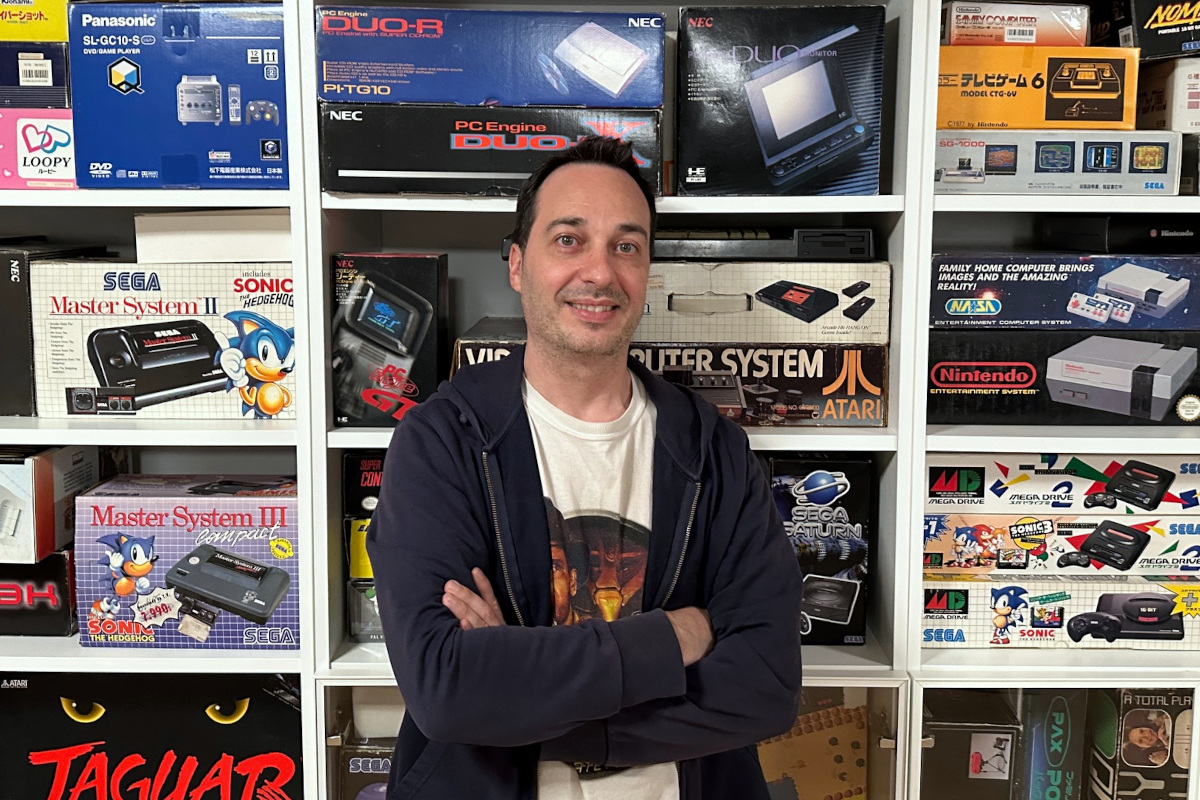
The Museu del Videojoc de Catalunya (MUVIC) is a cultural and museum project without its own museum premises, dedicated to preserving, studying and sharing video game history. Founded in Catalonia, the project takes a global view of video games and shares its collection through temporary and travelling exhibitions.

Mission

Preserve, study and share

To preserve, study and share the international history of video games by conserving original systems and placing them in their historical, technological and cultural context, through a museum project founded in Catalonia with an international outlook.
Vision

Rooted in Catalonia, with a global outlook

To become a leading resource in Catalonia for studying, preserving and sharing the international history of video games, bringing together collecting, research, exhibitions and education, and contributing to a rigorous understanding of video games as a cultural, technological and social phenomenon.

Objectives
  • Preserve and conserve original video game systems, devices, accessories and materials.
  • Document and study the collection rigorously and in context.
  • Share video game history from a global and critical perspective.
  • Design and produce themed and travelling exhibitions.
  • Develop educational and public engagement activities for different audiences.
  • Build partnerships with cultural institutions, educational organisations and museums.
Partner exhibition venue

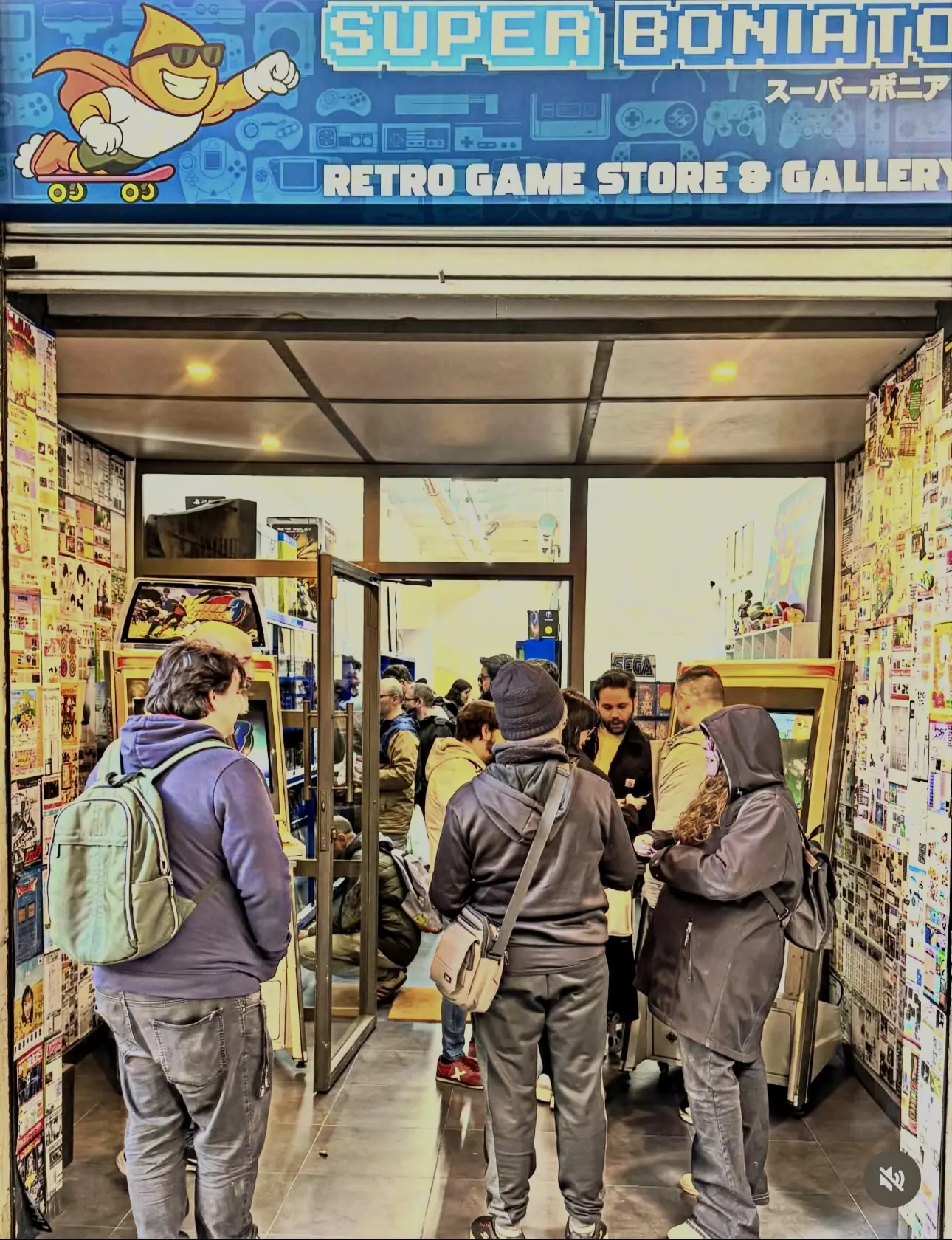
MUVIC at SuperBoniato Store

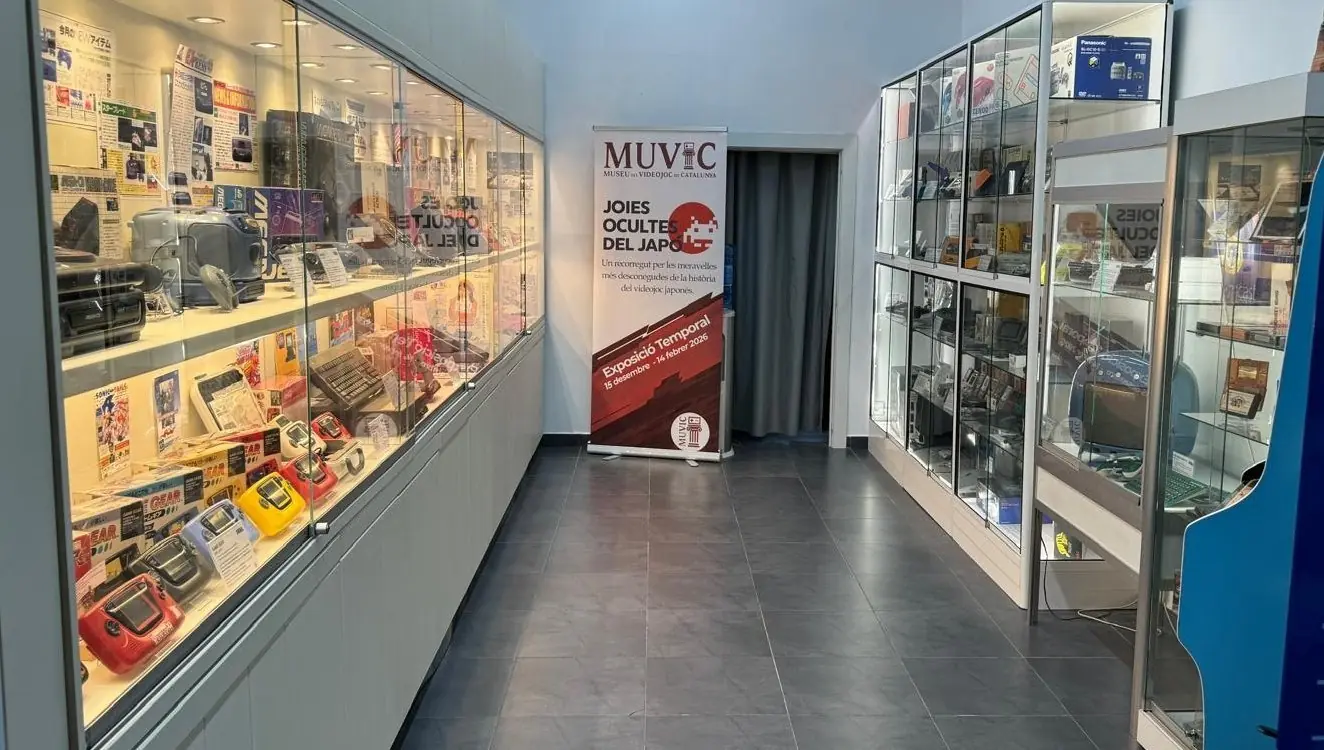
MUVIC does not currently have its own museum premises. SuperBoniato Store provides us with an ongoing exhibition area inside its shop, at Carrer Pérez Galdós, 45, Barcelona.

This area serves as an ongoing meeting point for the project, allowing us to display a selection of the MUVIC collection throughout the year and develop exhibitions that share video game history.

Exhibitions change approximately every two to three months and explore specific video game themes from historical, technological and cultural perspectives. Each exhibition includes additional contextual materials, such as period advertisements, explanatory texts, videos and relevant games.

Admission to the exhibition area is free, and you can visit during SuperBoniato Store's opening hours.

Before you visit: this is not a standalone museum and the full collection is not on display. It is a small exhibition area inside the shop, presenting a changing themed selection from the collection.

MUVIC exhibition area
Each exhibition includes contextual materials: advertisements, explanations and relevant objects.
MUVIC exhibition area inside SuperBoniato Store
SuperBoniato Store hosts an ongoing MUVIC exhibition area inside its shop.

Who we are

The people who make the Museu del Videojoc de Catalunya (MUVIC) possible: professionals, researchers and partners committed to preserving and sharing video game history.

Marc Rollán

Director of Curation and Historical Content

Responsible for planning and curating exhibitions, overseeing the collection and ensuring the historical consistency of the museum's content.

Marc Rollán

Carolina Cárdenas

Head of Documentation and Exhibition Curation

Responsible for managing the museum's databases and supporting exhibition curation, ensuring the quality of presentation, exhibition value, and the visual and documentary consistency of the content.

Carol Cárdenas

Eduard Tornero

President of Associació MUVIC and Head of Heritage

President of the association and responsible for preserving, conserving and managing the museum's collection.

Eduard Tornero

Ivan Santillana

Head of Cultural Engagement, Communications and Community

Video game history adviser, responsible for the museum's cultural engagement activities, institutional communications and relationships with the community and partners.

Ivan Santillana

Òmar “Boniato”

MUVIC host and manager of the SuperBoniato partner venue

Responsible for the partner venue that hosts MUVIC's ongoing exhibition area inside SuperBoniato Store and makes this collaboration possible.

Omar Boniato